
Lessons in Change: Ducati’s Rise and Honda’s Downfall in MotoGP
Updated: Dec 7, 2024

In the fast-paced world of MotoGP, the ability to adapt and innovate can mean the difference between triumph and downfall. With top manufacturers so closely matched in performance, even the smallest gains can lead to winning races, while the smallest deficits can push a team to the back of the grid.
As someone who has loved racing since childhood but only discovered MotoGP in 2021, I can confidently say it’s one of the best things I’ve ever laid eyes on at The Circuit of the Americas in Austin, TX. The precision and excellence demonstrated in every race are nothing short of awe-inspiring. I've since watched every season from 2012, and it's been an incredible journey of discovery.
At the same time, I was uncovering my passion for change enablement and seeing firsthand how it can transform performance and outcomes. This is a tale of two teams: Ducati, who embraced change and data-driven strategies to rise to the top, and Honda, whose resistance to change led to their downfall. If you’re not already a fan, I hope this story inspires you to dive into the thrilling world of MotoGP.
What is MotoGP?
MotoGP is the premier class of motorcycle road racing events held on road circuits. It's the pinnacle of two-wheeled motorsport, attracting top riders and manufacturers from around the world. The races are exciting and intense, with speeds exceeding 200 mph and riders leaning into corners at angles that defy gravity. The competition is fierce, and even the smallest innovations and improvements can make a significant difference in performance and overall results.
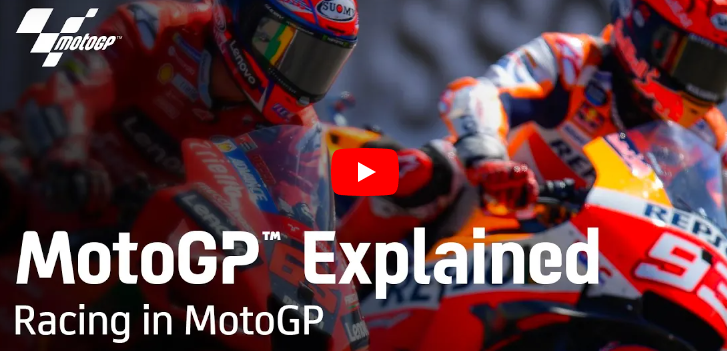
When you think about it deeply, MotoGP truly is a global phenomenon, involving a vast network of industries that all must be in sync to function properly. The sport relies on advanced transportation to move teams, bikes, and equipment worldwide. High-tech manufacturing produces the machines and components that compete in races. Data modeling and analytics play a crucial role in analyzing performance and developing race strategies. Commercial projects, including sponsorships and media rights, drive significant revenue and provide essential funding for development and manufacturing.
Economically, MotoGP generates billions annually, supporting thousands of jobs and boosting local economies where races are held. The sport's technological advancements often trickle down to consumer products, influencing the broader automotive industry.
Most importantly, MotoGP is a team sport, where success depends on the combined efforts of riders, engineers, data analysts, and support staff, all working together to achieve peak performance. And they manage to repeat this level of excellence, season after season. How is that even possible?
Understanding MotoGP Teams
MotoGP teams are intricate and dynamic, each playing a critical role in the success of their riders. A typical team comprises not just the riders, but also engineers, data analysts, mechanics, and support staff. Engineers are responsible for developing and fine-tuning the bikes, ensuring they use every drop of fuel perfectly and reduce wasted energy. Data analysts scrutinize performance metrics to provide insights that shape race strategies and bike adjustments. Mechanics keep the machines in top condition, executing precise adjustments during race weekends. The support staff handles logistics, ensuring everything runs smoothly behind the scenes.

The collaborative efforts of these diverse roles are what drive a team’s performance. Success in MotoGP is rarely about individual brilliance alone; it’s about the harmony of the entire team working together to achieve common goals. This teamwork is what allows teams like Ducati, Aprilia, KTM, and many others to compete at such a high level, where every member’s contribution is vital to their success on the track.
The Importance of Development
In MotoGP, early development and incremental gains are the foundation of sustained success. This sport is all about fine margins, where even the smallest improvements can make the difference between winning and losing. Teams that invest heavily in early development can afford to explore innovative ideas, test new technologies, and implement changes that provide a competitive edge right from the start of the season.

Incremental gains are equally vital. Continuous improvements, no matter how small, can accumulate over time to create a significant advantage. This relentless pursuit of perfection means that teams are constantly changing, evolving, tweaking, and optimizing every aspect of their performance. For example, minor adjustments in aerodynamics, tire performance, or engine tuning can lead to substantial improvements in lap times even though the bike development cycle is complete before the season begins.
This dedicated focus on continual improvement is exactly what set Ducati apart from their competitors. By prioritizing development and embracing new technologies early on, they managed to rise to the top, demonstrating the power of consistent, incremental progress. How exactly did they do that?
The Rise of Ducati in MotoGP

Ducati's return to the top began in 2017 when they made a strategic decision to embrace data-driven development and new advancements in technology. Acknowledging the competitive nature of MotoGP, Ducati invested heavily in research and development, deploying a total of 4 teams and 8 out of 22 bikes on the grid to gather heaps of data. This wealth of valuable information allowed them to make precise, informed decisions that enhanced their bike performance and race strategies.
A key aspect of Ducati's rise in MotoGP was their willingness to embrace change to allow room for innovation and adaptation. They integrated AI and advanced data analytics into their change processes, allowing for real-time analysis and rapid adjustments. This proactive methodology enabled them to stay ahead of the curve by constantly refining their bikes’ aerodynamics, materials, and electronics.
One of Ducati’s significant advantages has been their collaborative approach. Engineers, data analysts, and riders from each team (factory and satellite) work closely together, leveraging each other’s expertise to optimize performance. This cooperation has been instrumental in their success, allowing them to make incremental gains that add up to significant competitive advantages. They have won the Constructor’s title for 5 consecutive years and the Rider’s title for 3 consecutive years, including this year with Jorge Martin at Prima Pramac Ducati. Martin will move to Aprilia in 2025, and Prima Pramac will partner with Yamaha instead.

Ducati's rise is a testament to the power of embracing change and leveraging new technologies. Their success is not just a result of having skilled riders, but also of a comprehensive strategy that includes rapid change, innovation, collaboration, and a relentless pursuit of improvement. As a result, Ducati has emerged as the most dominant force in MotoGP, setting the bar for every other manufacturer.
But it wasn’t always like this. For a long time, Repsol Honda was the team to beat until an unfortunate error in development strategy caused them to fall to the back of the grid.
The Downfall of Repsol Honda

Repsol Honda's decline in MotoGP is marked by a series of strategic missteps and a resistance to change. Historically, Honda has been very successful by developing their bikes in-house, relying heavily on their star rider, Marc Marquez, tuning the bike to his riding style. During his tenure, Marquez achieved remarkable success, winning six MotoGP World Championships (2013, 2014, 2016, 2017, 2018, and 2019) and 59 premier class victories. He’s my favorite rider, mainly because you can never rule him out of a victory. Never.

However, in 2020, Marquez suffered a near career-ending arm injury during the Spanish Grand Prix, leading to multiple surgeries and years of recovery away from racing. The bike's poor performance caused it to become wildly unstable, and without warning it violently threw Marquez off the bike. It was a unique period in MotoGP’s history because his absence gave other riders a chance to be title contenders. His absence also exposed the vulnerabilities in Honda's development strategy, which heavily relied on Marquez’s exceptional talent. Without him, Honda struggled to compete, revealing a lack of depth in their development process, pointing to the illusion of performance when it was his talent that bridged the gap to their competitors. He was riding the bike beyond its limits.
As competitors embraced new technologies and collaborative development approaches, Honda's adherence to traditional methods became a hindrance. While teams like Ducati leveraged extensive data analytics and advanced modeling, Honda persisted in their traditional approach. This resistance to innovation meant they were slow to adapt to the evolving landscape of MotoGP.
By the end of the 2024 season, Honda faced a bleak reality: no wins, no podiums, and a last-place finish in the constructors' standings. The end of their 30-year partnership with Repsol in 2024 marked the end of an era.
The decline of Repsol Honda highlights the importance of adaptability and innovation, serving as a cautionary tale for organizations that overlook the necessity of embracing change. The moral of their story is clear: don't put all your eggs in one basket.
Lessons Learned
Adaptability is Key: Embrace change and new technologies to stay competitive. Ducati's success and Honda's struggles highlight this.
Collaboration Drives Success: Working closely with various experts leads to continuous improvements. Ducati's collaborative approach was crucial.
Investment in Development: Consistent investments in research and development ensure continuous improvement and staying ahead of the competition.
Diversification Reduces Risk: Relying on a single point of excellence is risky. Ducati's broader approach proved more resilient than Honda's reliance on Marquez.
Strategic Partnerships Matter: Long-term, strong partnerships, like Ducati’s, provide stability and shared vision.
Continuous Learning and Innovation: Learn from successes and failures. Innovation and proactive problem-solving are essential for sustained success.
Conclusion

The stories of Ducati and Repsol Honda in MotoGP teach us valuable lessons. Ducati's success, driven by adaptability, collaboration, and innovation, shows the power of embracing change and investing in development. Honda's decline highlights the risks of resisting innovation and relying too much on a single star. Marc Marquez decided to leave Repsol Honda in 2023 and join Gresini Ducati in 2024. After proving himself this year by finishing the season in third overall, he will move into the factory Ducati team in 2025.
Repsol Honda will be Castrol Honda in 2025. And they showed some promise in their development during the post-season tests just after the last race of the season. But it is likely that they won’t have a chance at the title for another couple of years.
The principles I’ve covered apply beyond racing. Whether in business or personal pursuits, adaptability, collaboration, and continuous improvement are keys to success. By learning from both wins and losses, we can overcome challenges and stay ahead. It’s just data, after all.
As you reflect on these stories, think about how these lessons can be applied to your own life and endeavors. Embrace change, invest in development, and collaborate to achieve remarkable results. And if you get the chance, attend a MotoGP race in person or watch online - it’s an experience like no other! I will be there at Circuit of the Americas in March next year!

